


Triple Lumen Nasojejunal Tube: The Craftsmanship Behind a Smooth Diameter Transition
Release time: 2026-09-18
The Craftsmanship Behind a Smooth Diameter Transition
and what it means for your ICU workflow
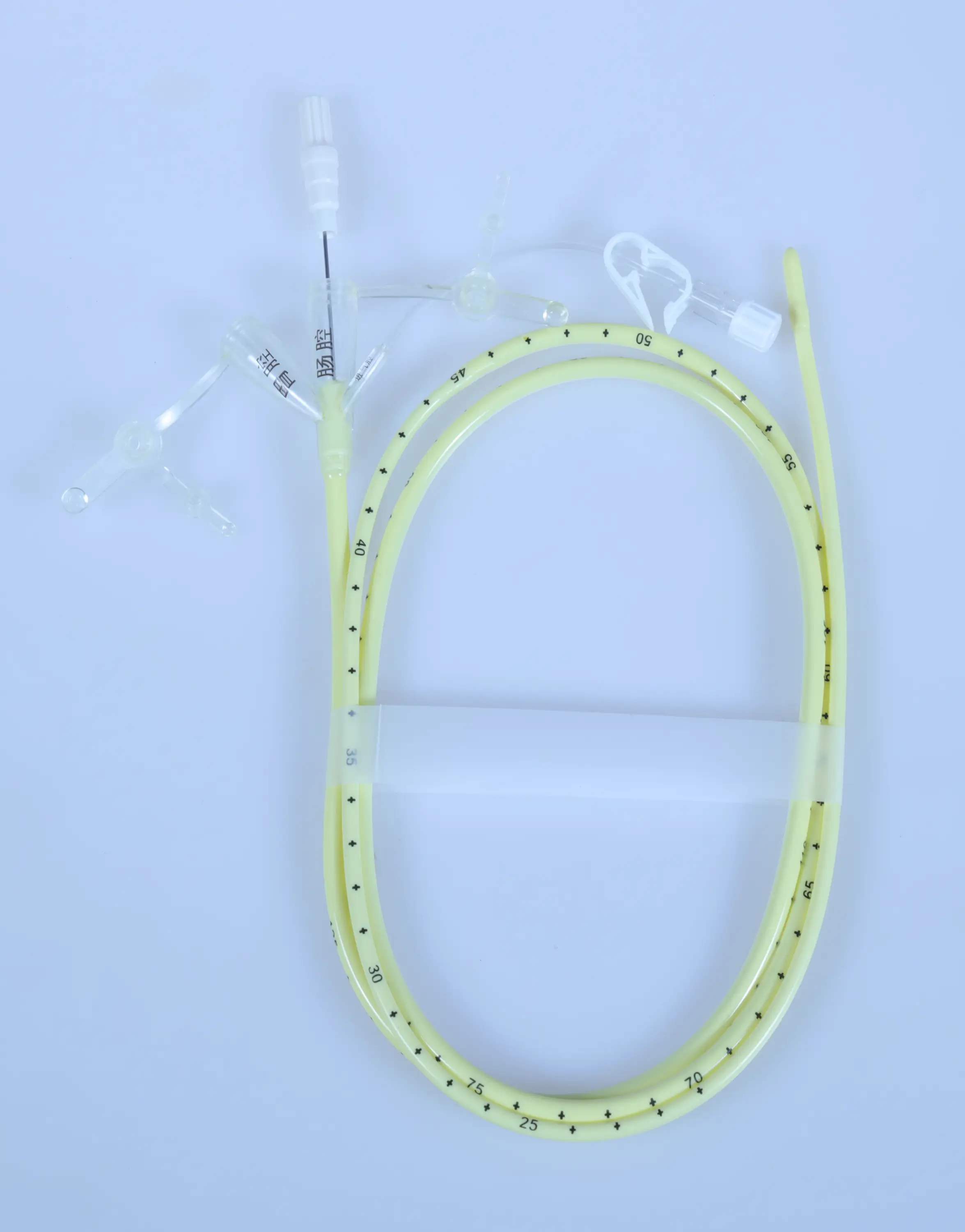
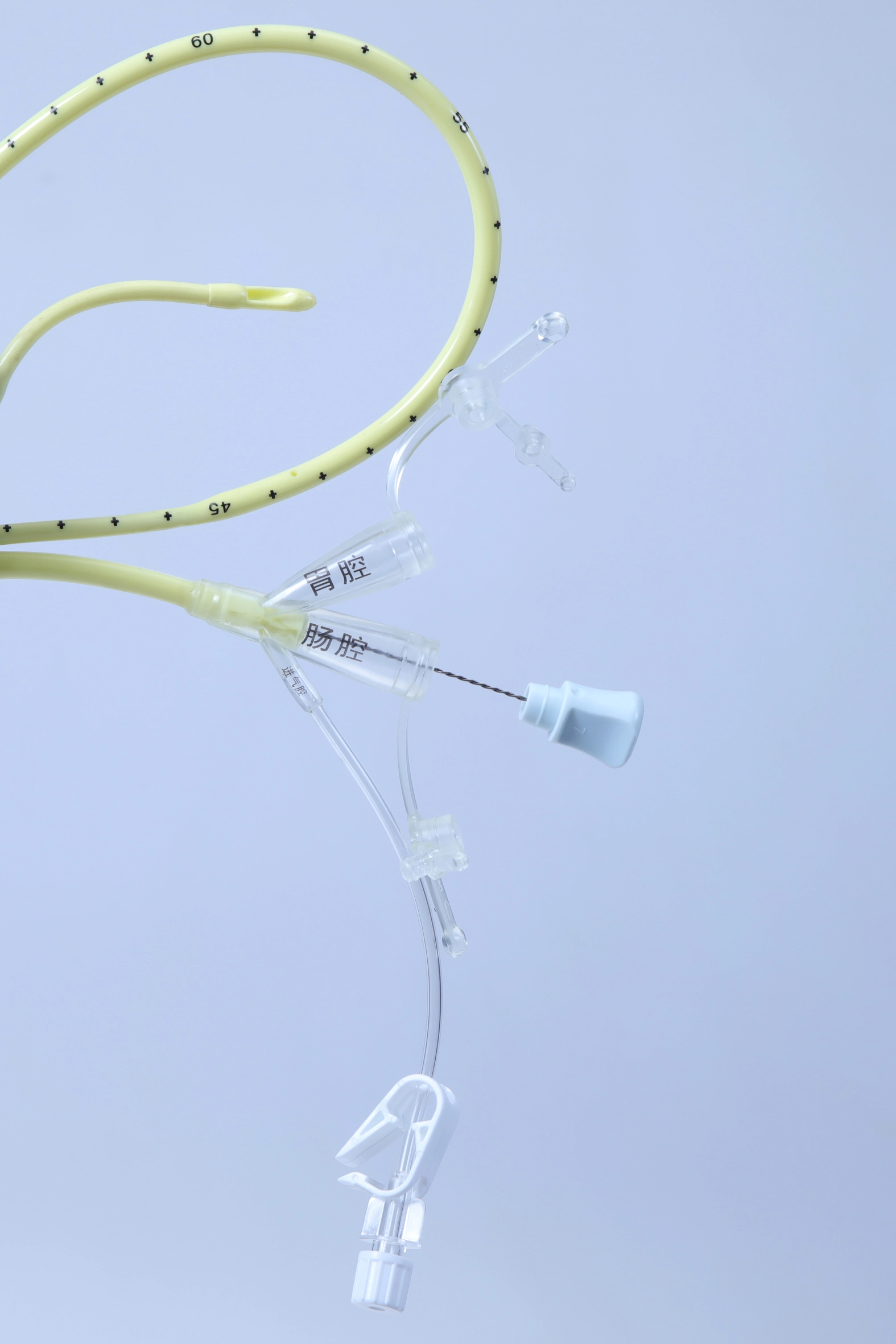
A triple lumen nasojejunal tube has to do two jobs at the same time: gastric decompression and jejunal feeding.
The real engineering challenge, however, is not simply creating three separate lumens. It is what happens at the short transition where the three-lumen gastric section becomes a single-lumen jejunal section.
Many problems that appear later in clinical use can originate at this small but critical transition point. That is why our engineers have invested substantial development effort in controlling the internal geometry of this section.
Why Is the Diameter Transition So Challenging?
Three lumens have to become one.
That sounds straightforward, but the transition needs to be controlled not only mechanically, but functionally. Once the two additional lumens terminate, the feeding lumen still needs to remain open and unobstructed.
Internal steps, weld seams, or sudden changes in tube diameter can create areas where nutritional fluids may collect and dry over time. These areas can potentially contribute to tube blockage.
The challenge is that internal defects are often difficult to detect from the outside. Routine factory testing may not reveal every subtle issue, and some problems may only become apparent after the tube has remained in place for an extended period.
That makes the transition section one of the most important details in the design of a triple lumen nasojejunal tube.
 ⤢
⤢
 ⤢
⤢
 ⤢
⤢
Stepped Welding vs. a Smooth Internal Transition
There is more than one way to transition from three lumens to one.
Stepped welding is one established approach for changing the diameter of a catheter or tube. Different tube sections are joined through an axial weld, creating a step at the joint. The process is mature and widely used, but the resulting internal profile is not completely continuous.
Our approach is different.
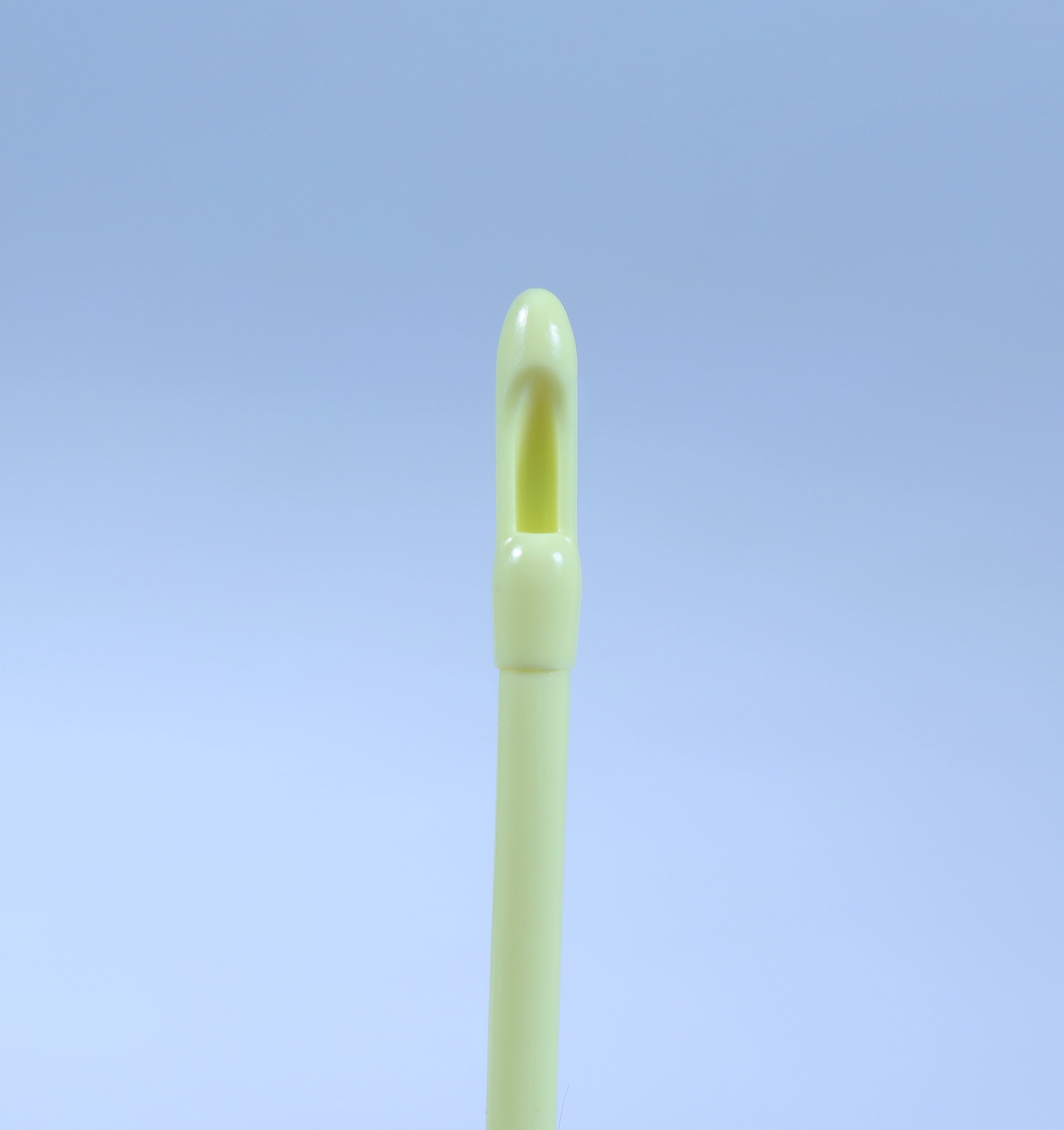
For the same three-lumen-to-single-lumen transition, we use a smooth internal profile designed without an internal step. This variable-diameter and variable-lumen transition process has been patented.
Side-by-Side Comparison
| Design Aspect | Stepped Welding | Smooth Transition Process |
|---|---|---|
| Internal transition | Axial weld with an internal step | Smooth internal profile without a step |
| Potential for feeding residue | Residue may collect around the welded area | Designed to minimize potential residue-trapping areas |
| Long-term patency | Performance may change with extended indwelling time | Designed to maintain a continuous internal passage |
| Customization | Limited by the welding process | Lumen configuration, outer diameter, and length can be customized |
Stepped welding itself is a mature manufacturing technique and should not automatically be regarded as a defective design.
The key difference is what happens when the feeding lumen must continue functioning after the other two lumens terminate. At that point, the internal profile of the transition becomes an important part of the overall tube design.
What You Cannot See: Quality Decisions Made on the Factory Floor
A finished tube may look smooth, clean, and perfectly formed.
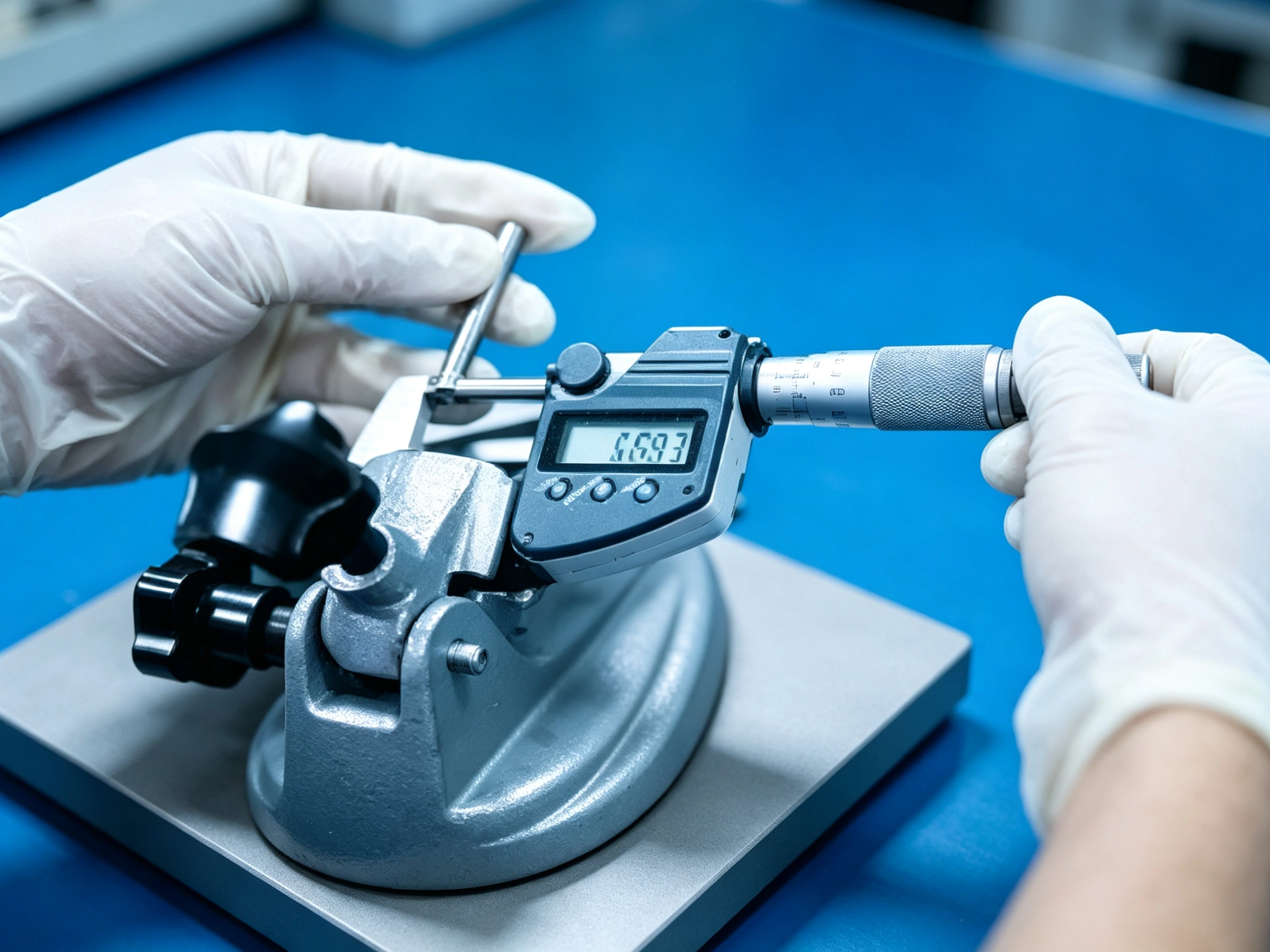
But many of the decisions that determine how a medical tube performs in actual use never appear in a product brochure. They happen on the production line, in the laboratory, and during internal quality-control reviews.
 ⤢
⤢
Batch Sectioning Reveals Internal Wrinkles
One batch of variable-diameter triple lumen nasojejunal tubes had passed the complete routine inspection process.Every unit has passed the required checks, including visual inspection, air-flow testing, and hydrostatic pressure testing.
The finished products were already packed and waiting for shipment. Meanwhile, the sales team was under pressure from the customer to meet the delivery schedule.
Under the established quality-control procedure, however, destructive section sampling was still required.
When an engineer cut the tubing longitudinally and placed the samples on the inspection bench, a problem became visible.
A small number of tubes had subtle wrinkles hidden inside the transition section.
The outside surface was smooth. Routine airflow and pressure tests could not detect the issue.
But the team understood the potential concern. If such a tube were used clinically, protein residues in the feeding solution could gradually accumulate in these tiny internal irregularities over time, potentially contributing to blockage.
The internal review quickly became a difficult decision.
One option was to manually remove the defective pieces and ship the rest of the batch. That would protect the delivery schedule and limit the immediate loss.
Quality control and R&D took a different view.
The internal wrinkles could not be reliably identified from the outside. Manual sorting could not guarantee that every affected tube would be removed.
The final decision was straightforward: no sorting, no downgrade—the entire batch was reprocessed.
Production was temporarily stopped. Engineers stayed on the factory floor through two consecutive nights, repeatedly adjusting the extrusion equipment and fine-tuning the dynamic control parameters around the transition-section tooling.
The goal was not simply to detect the defect after production. It was to address the manufacturing conditions that could create it in the first place.
The delivery schedule had to be pushed back. The factory absorbed the additional material and labor costs, along with the pressure of managing customer expectations.
But we were not willing to pass an invisible quality concern downstream to distributors or clinical users.
 ⤢
⤢
Clinical Leakage Feedback Leads to a New Testing SOP
Another example started with feedback from a frontline nurse.
In a small number of cases, minor leakage was observed around the connector after the tubing had been subjected to negative-pressure suction and repeated bending.
The first assumption was that the connector component might be responsible.
The team tested several batches of connector components. The occasional leakage still occurred.
Instead of closing the issue there, R&D decided to reproduce the actual conditions encountered in an ICU environment.
The team went beyond the static leak testing required by the applicable standard and repeatedly simulated bending and negative-pressure cycles.
After extensive testing, the underlying mechanism became clearer.
When the tube was bent under load, the transition section could undergo extremely small deformation that was not visible to the naked eye. The resulting stress could travel along the tube toward the connector assembly, potentially affecting the seal and leading to leakage.
The current standard did not require this specific combined bending-plus-negative-pressure test condition.
Our approach was simple: if that is how the product is used clinically, that is how we should test it.
The factory subsequently updated its internal inspection SOP. Combined simulations involving negative pressure, bending, and twisting were formally added to the required testing process.
The additional testing time and equipment wear will never appear on a product brochure or in a specification table.
But these extra controls are intended to help OEM customers and distributors reduce the risk of downstream complaints.
 ⤢
⤢
Raw Material Control: When Borderline TPU Is Rejected
The balance between delivery schedules and quality requirements can also arise before production even begins.
In one case, a batch of medical-grade TPU arrived with its measured properties close to the limits of the factory’s internal acceptance criteria.
Production calculated that, by adjusting extrusion temperature and machine speed, it would still be possible to manufacture finished tubes that met the appearance and routine inspection requirements while keeping the order on schedule.
R&D strongly disagreed.
Variable-diameter extrusion from three lumens to one is highly sensitive to the uniformity of the material melt. Material operating near the internal acceptance boundary may not show an obvious problem during production, but it could amplify potential wall-thickness variations around the transition section.
Even if the finished products passed outgoing inspection, the long-term risk under indwelling clinical conditions would be difficult to quantify.
The decision was ultimately made to reject the entire batch of raw material.
Production was stopped until a new batch arrived.
The order was delayed, and the production schedule had to be reorganized.
But our principle is clear:
Delivery schedules can be discussed and adjusted. Long-term clinical safety is not something we compromise on.
These decisions rarely make it into marketing materials.
A distributor reviewing inspection reports or examining finished samples may never see what happened behind the scenes.
Yet the ability of a nasojejunal tube to perform consistently throughout its intended indwelling period can depend on precisely these invisible quality decisions.
What This Means for OEM and Distribution Partners
If your customers work in ICU care or postoperative management, the difference between a well-controlled tube and an ordinary product may become more apparent during extended use.
For OEM and distribution partners, our triple lumen nasojejunal tube can be customized to meet different application requirements.
The connector is specified as complying with the requirements for small-bore connectors under ISO 80369-1.
Customization
- Lumen configuration
- Outer diameter
- Tube length
- Tip design
- Connector type
Material
- Medical-grade TPU
- Softens at body temperature
- Up to 30 days indwelling
- Suitable for long-term use
- Latex-free
Compliance
- ISO 13485
- GMP
- NMPA
- FDA
- CE