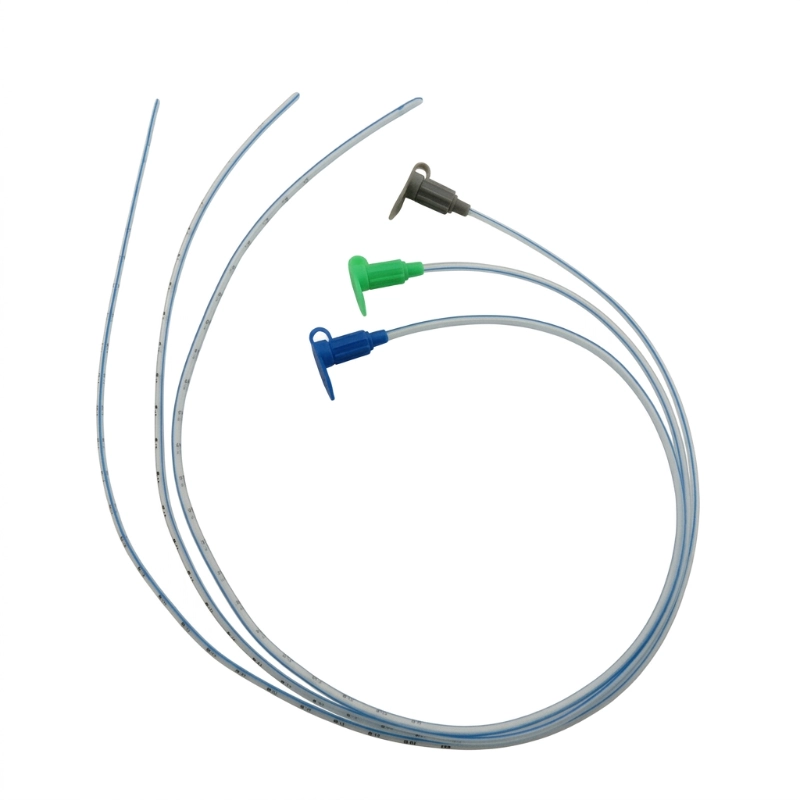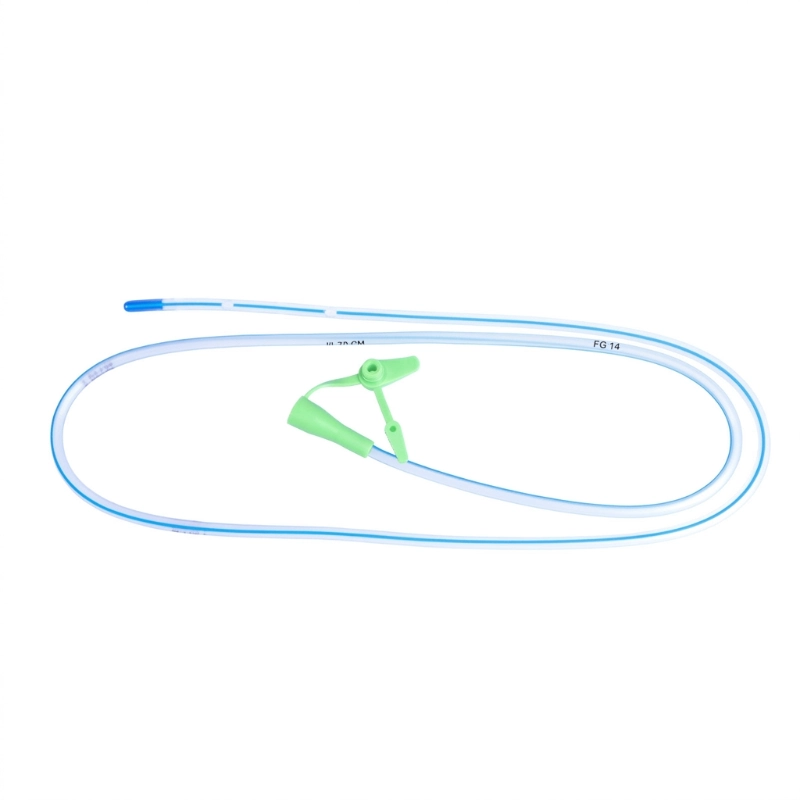


OEM vs Stock: Sourcing Disposable Intubating Stylets
Release time: 2026-05-15
Medical procurement goes beyond unit cost. Airway management demands precision.
Distributors face a choice: standard stock or OEM manufacturing?
The wrong decision risks hospital pushback. Let’s evaluate the sourcing pathways.
Why Clinical Feedback Should Drive Your Sourcing Strategy
Distributors often make the mistake of sourcing airway management consumables based purely on margin, ignoring the technical feedback from anesthesiologists. When a hospital rejects a batch of stylets, it is rarely due to pricing; it is almost always related to tactile feedback and patient safety.
The “Catching” Problem: Low-quality stylets often create friction against the inner wall of the endotracheal tube. When the anesthesiologist attempts to withdraw the stylet after successful intubation, a high-friction surface can dislodge the tube, causing a critical loss of the airway.
Memory Retention of the Core: During difficult airway scenarios (such as a Grade 3 or 4 Cormack-Lehane view), doctors need to shape the stylet into a “hockey stick” curve. If the metal core lacks proper malleability, it will lose its shape during insertion.
Mucosal Trauma Liabilities: Sharp or poorly finished distal ends can cause severe vocal cord or tracheal trauma. Sourcing a disposable intubating stylet with a deliberately rounded, atraumatic distal end is non-negotiable for modern hospital compliance.
Material Breakdown: Aluminum Core vs. Plastic Alternatives
The debate between pure plastic, rigid steel, and PVC-coated aluminum is effectively settled in high-tier medical markets. Aluminum combined with a medical-grade polymer sheath offers the highest clinical success rate.
Optimal Malleability: An aluminum core provides the perfect balance. It is soft enough to be bent single-handedly by the clinician, yet rigid enough to guide the tube through resistant tissues without losing the pre-set angle.
Smooth Sheath Technology: A low-friction PVC coating ensures seamless withdrawal. Furthermore, specifying 100% Latex-free and DEHP-free materials protects sensitive patients from allergic reactions and toxicological exposure, a strict requirement for CE and FDA-compliant markets.
Infection Control: Reprocessing reusable stylets costs hospitals heavily in labor and sterilization validation. Single-use, EO-sterilized options eliminate the risk of cross-contamination entirely.
OEM Customization vs. Off-the-Shelf Stocking
For medical distributors and wholesalers, choosing between pre-branded stock and OEM (Original Equipment Manufacturer) production dictates your market positioning.
| Sourcing Strategy | Off-the-Shelf (Standard Stock) | OEM / ODM Customization |
| Upfront Cost & MOQ | Low MOQ, minimal initial investment. | Higher MOQ, tooling/printing costs may apply. |
| Brand Equity | Builds the manufacturer’s brand. | Builds your own brand loyalty with local hospitals. |
| Specifications | Standard FR6, FR10, FR14 lengths. | Custom lengths, bespoke stiffness profiles. |
| Packaging & IFU | Standard generic blister packs. | Localized language, custom color-coding, hospital-specific barcodes. |
| Market Competitiveness | High competition, price-driven. | Exclusive bidding advantages in public tenders. |
Sizing Strategies: Covering Adult and Pediatric Airway Needs
A complete distributor portfolio must address the full spectrum of patient anatomies. Relying on a single universal size leads to clinical failure.
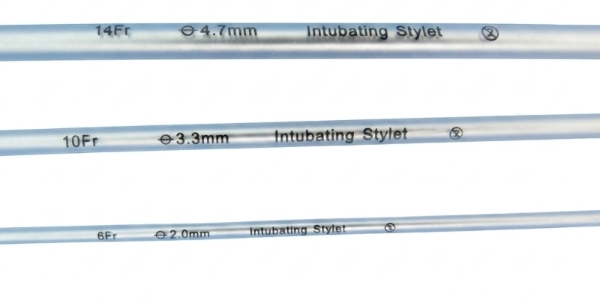
FR6 (Pediatric Focus): Neonatal and pediatric airways are not just smaller; they are anatomically different. The stylet must be highly precise to fit smaller internal diameters without extending past the Murphy eye.
FR10 & FR14 (Adult Applications): These sizes cater to standard and large adult tubes. A well-designed endotracheal tube stylet in these dimensions must maintain structural integrity even when significant torque is applied during complicated intubations.
Frequently Asked Questions
What makes an intubating stylet “atraumatic”?
An atraumatic tip features a smoothly rounded, blunt distal end that extends slightly beyond the metal core. This design prevents the rigid metal from protruding and scratching the delicate tracheal mucosa or vocal cords during insertion.
Why is DEHP-free PVC important in airway management?
DEHP is a chemical plasticizer that can leach out of medical devices. Using DEHP-free PVC ensures that vulnerable patients, particularly neonates and pregnant women, are not exposed to potential endocrine disruptors during critical care procedures.
Can an aluminum core stylet be reused if sterilized?
No. These stylets are strictly designed for single use. Bending the aluminum multiple times causes metal fatigue, increasing the risk of the core snapping inside the patient’s airway. Furthermore, the PVC sheath cannot withstand high-temperature autoclave sterilization without melting or degrading.