

Nasoenteric Tube Tips: Which Type Do You Need?
Release time: 2026-05-06
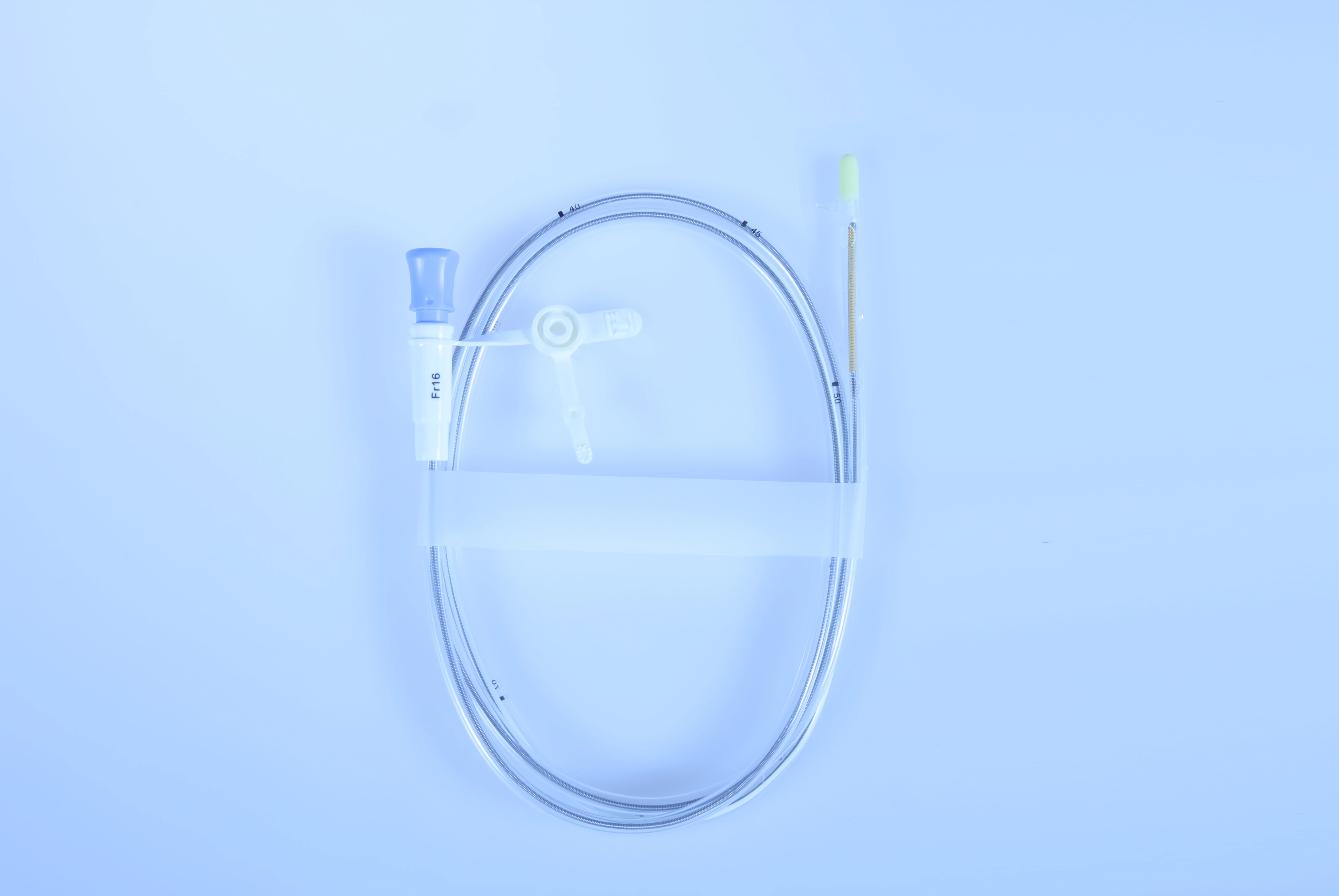
- Antenna Tip: Facilitates intraoperative placement; an endoscopic biopsy forceps grasps the antenna tip to assist the nasoenteric tube in passing through the pylorus.

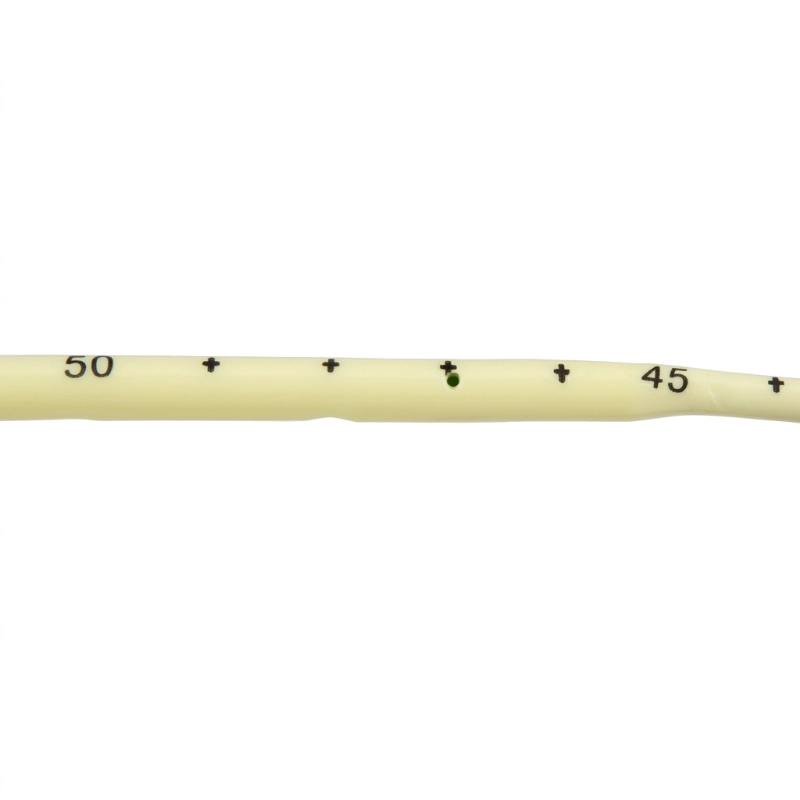
- Bullet Tip: The optimal choice for blind bedside placement to pass the pylorus, capable of bypassing the grooves of the gastric wall and smoothly sliding toward the pylorus.
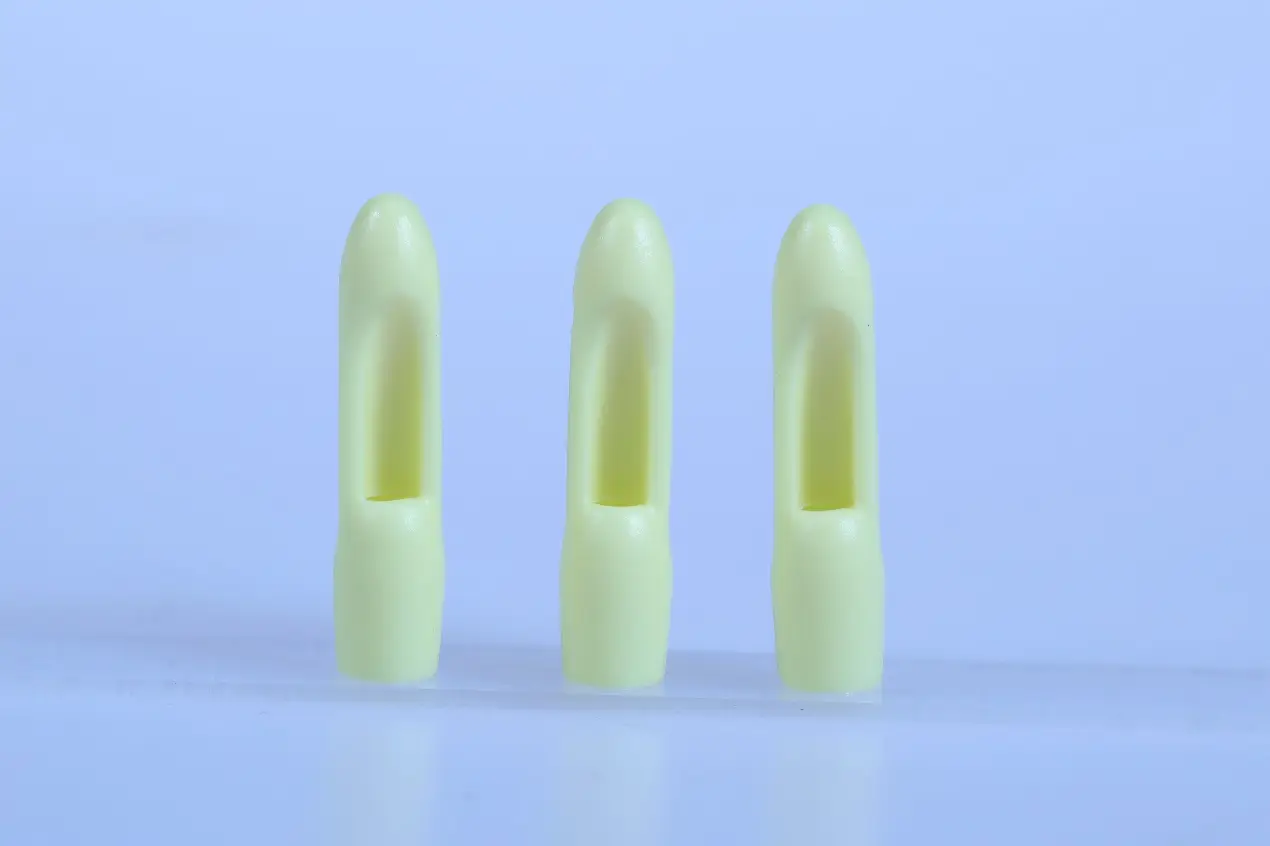
- Showerhead Tip: Features holes on both the tip and sides to reduce the probability of clogging during feeding.
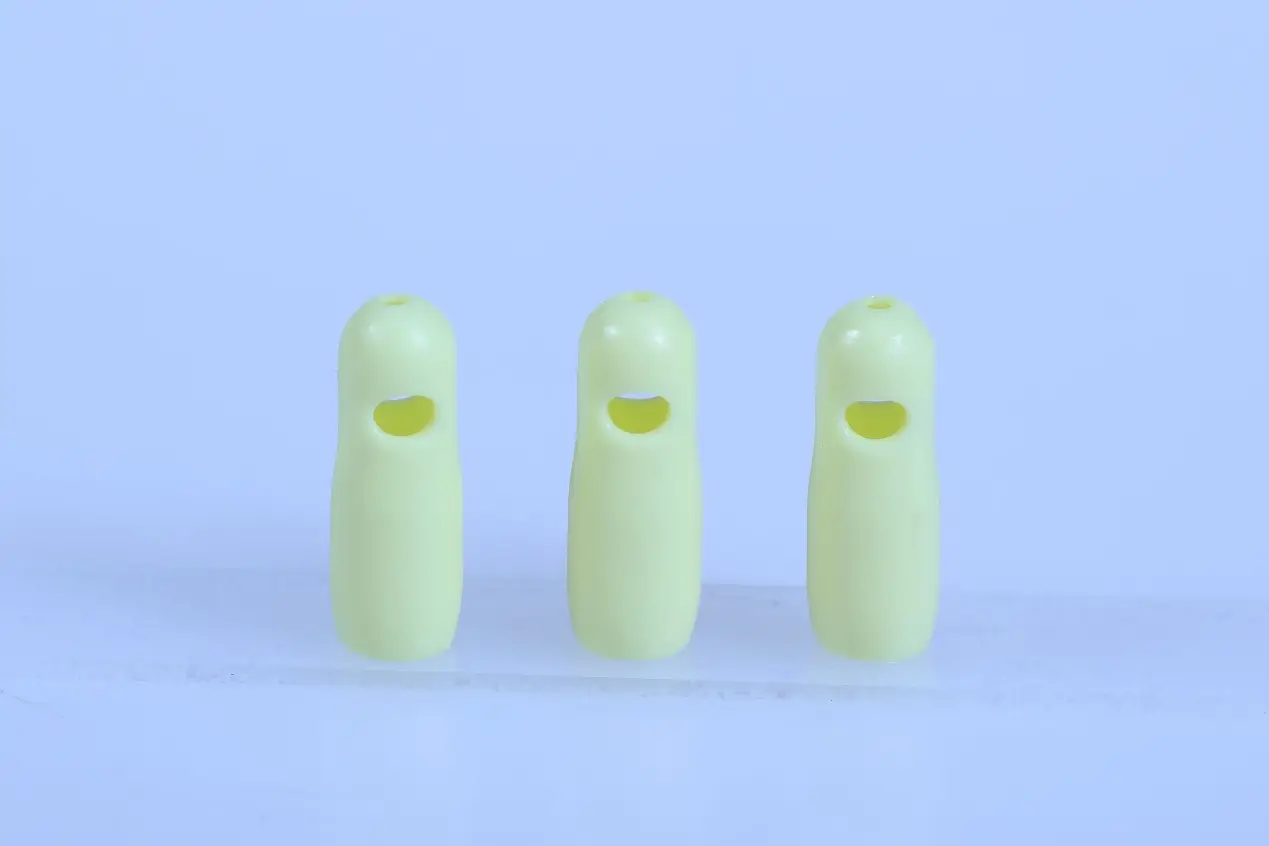
- Spiral Tip: Relies on gastrointestinal peristalsis to guide the tube past the pylorus, usually after 8 hours; the spiral design also provides an “anchoring” effect in the intestine to prevent the tube from slipping out or dislodging.
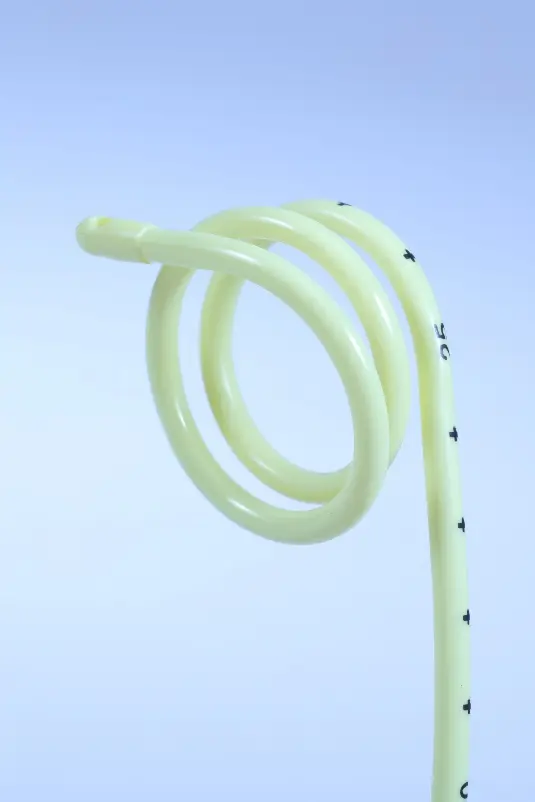
- Tungsten Ball Gravity Tip: The nasoenteric tube is placed in the stomach, utilizing gravity and gastric emptying forces to guide it through the pylorus.

- Open-ended Tip: Compatible with visual gastric tube guidewires to directly locate the pylorus.

I. Single-Lumen vs. Multi-Lumen Definitions
- Single-Lumen Nasoenteric Tube: It is primarily designed to “bypass the stomach” and deliver nutrition directly into the small intestine. The routing “stations” are: Nasal Cavity → Esophagus → Stomach → Pylorus → Jejunum.
- Multi-Lumen Nasoenteric Tube (Integrated Gastrointestinal Tube): Its tube body has openings (inlets/outlets) in both the stomach and the jejunum simultaneously. The routing “stations” are: Nasal Cavity → Esophagus → Stomach → Jejunum.
- Key point: Its tube body has openings in both the stomach and the jejunum simultaneously.
- Lumen structure: It must be multi-lumen (at least dual-lumen, typically triple-lumen). One lumen stays in the stomach for gastric decompression or venting; the main lumen extends to the jejunum for enteral nutrition; and a third lumen is responsible for pressure balancing or monitoring.
II.Typical Model: AK K-112
Features a fully radiopaque tube body, hydrophilic coating on the tube wall, and a distal bullet tip design; custom adapters can be fitted to various nutritional infusion devices on the market.
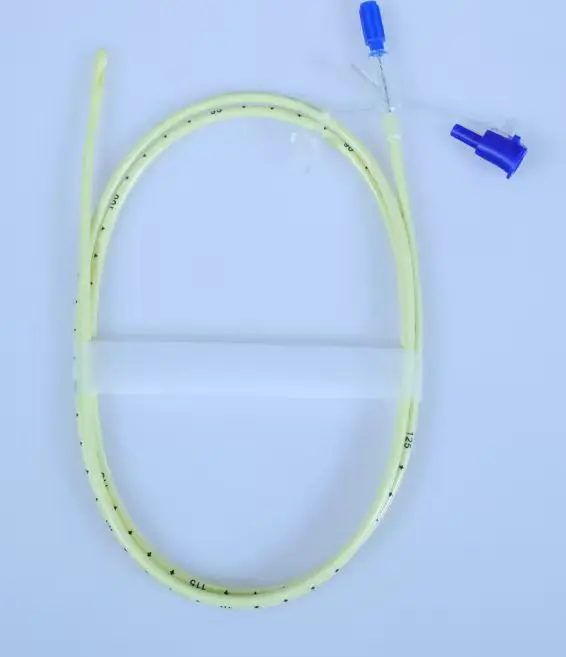
Core Advantage: Reduces Reflux and Aspiration Risks
This is the core advantage of the “bullet tip” nasoenteric tube. Its design aims to deliver nutrient solutions directly to the small intestine (duodenum or jejunum) below the stomach.
- Principle: The tube tip reaches the small intestine directly, bypassing the stomach, fundamentally eliminating the risk of gastric contents refluxing into the esophagus or even the trachea.
- Significance: For patients with impaired consciousness, swallowing dysfunction, or insufficient gastric motility, it can effectively reduce the incidence of severe complications such as aspiration pneumonia and choking, thereby enhancing the safety of nutritional support.
Convenient Operation, No Special Equipment Required
Placement can be completed through “blind bedside intubation,” without needing to move the patient to an X-ray room or endoscopy suite, and without an appointment; doctors or nurses can perform the procedure. This significantly shortens the placement time, allowing patients to start nutritional infusion sooner.
Ingenious Design for Smoother Intubation
- “Bullet Tip” Design: The streamlined tip offers low resistance during advancement, allowing it to pass more smoothly through the nasal cavity, esophagus, and pylorus, increasing the success rate of first-attempt placement.
- Premium Materials: Made of biocompatible materials such as medical-grade polyurethane (TPU), it is flexible, elastic, and resistant to kinking or knotting, offering higher patient comfort during placement.
Reduced Complications, Improved Patient Tolerance
- Reduced Gastrointestinal Irritation: Delivering nutrition directly to the small intestine avoids direct irritation of the gastric mucosa, reducing discomfort such as nausea, vomiting, and bloating.
- Protects Intestinal Function: The physiological mode of nutritional supply helps maintain the integrity of the intestinal mucosal barrier, reduces intestinal flora translocation, and accelerates patient recovery.
Simple Maintenance, Lower Costs Compared to invasive nutritional access pathways requiring surgery (e.g., gastrostomy), nasoenteric tubes involve minimal trauma, simple operation, and lower daily maintenance costs.
III. ENFit Connector, Transparent Tube, Double Barium Lines.
Typical Model: AK I-112
The nasoenteric tube utilizes the ENFit connector (compliant with the ISO 80369-3 international standard); its core purpose is to completely resolve the clinical risk of misconnections while enhancing operational stability and standardization.
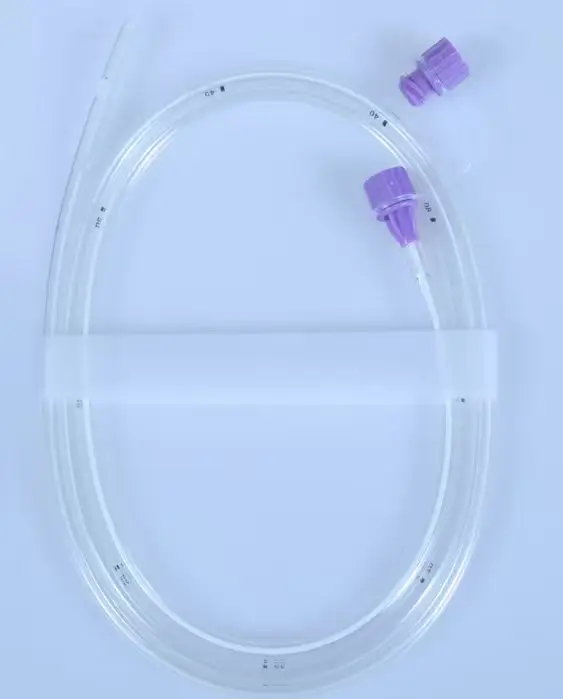
1. Core Safety Advantages (Most Critical)
- Prevents Misconnections (Greatest Benefit): The unique reverse-threaded conical design makes it physically impossible to match with other medical connectors, such as those used for intravenous (IV), respiratory, or urinary lines. → Eliminates fatal errors: such as accidentally injecting enteral nutrition/medication into an IV line, or connecting an IV line to a gastrointestinal tube.
- Prevents Disconnection and Leakage: The Twist-Lock structure is more secure than traditional slip-fits, making it less prone to accidental disconnection from pulling. It provides better sealing, with virtually no leakage during feeding, flushing, or medication administration, thus reducing contamination and nutrition waste.
- Color Identification (Purple): A standardized purple color helps quickly identify enteral nutrition lines at a glance, reducing visual misjudgments.
2. Clinical and Management Benefits
- Global Standard: All brands of ENFit devices are fully compatible, requiring no adapters and functioning independently of the manufacturer. This makes hospital training, line changes, and cross-departmental transfers safer and more uniform.
- Reduces Medical Errors: Eradicates the possibility of misconnection by design, significantly lowering adverse events related to tubing.
- Applicable in All Scenarios: Suitable for all enteral nutrition access points, including nasogastric tubes, nasoenteric tubes, gastrostomy, and jejunostomy. Compatible with feeding pumps, feeding bags, and medication/flushing syringes.
3. Simple Comparison (Traditional vs. ENFit)
- Traditional Luer Connector: Universal interface, prone to misconnection with IV/respiratory lines. Easily detaches and leaks. Inconsistent specifications across manufacturers.
- ENFit Connector: Dedicated for enteral use, physically prevents misconnections. Secure twist-lock, excellent sealing. Globally standardized under ISO.
One-Sentence Summary: ENFit is currently the safest connector standard for enteral nutrition access; utilizing it aims to “prevent misconnections, prevent disconnections, prevent leakages, and ensure universal compatibility.”
Double Barium Lines: The core advantage is precise and reliable imaging positioning
This is the most critical technical highlight of this product. “Double barium lines” refer to two parallel, radiopaque lines embedded in the tube wall.
- Clear Tracking Throughout: Under X-ray, these two lines clearly and continuously display the entire routing path of the catheter in the body, rather than just a single point at the tip. This helps medical staff determine whether the catheter is coiled in the stomach, kinked, or misdirected into other branches.
- Precise Tip Positioning: By observing the ends of the two radiopaque lines, the exact location of the catheter tip can be accurately determined to confirm if it has passed the pylorus and reached the ideal duodenal or jejunal position. This is the “gold standard” for ensuring safe and effective enteral nutrition delivery.
- Enhanced Placement Success Rate and Safety: Compared to single-point radiopaque or non-radiopaque catheters, the double barium line design provides clear visual feedback for doctors. Particularly during blind insertion or bedside operations, it significantly increases the first-attempt placement success rate and minimizes complications caused by catheter malpositioning.
ENFit Connector: Eliminates fatal misconnections
As discussed earlier, the ENFit connector is a universally recognized safety standard.
- Physical Error Prevention: Its unique design makes it impossible to connect with interfaces of other medical devices, such as IV infusions and endotracheal tubes, fundamentally eradicating the fatal risk of inadvertently injecting nutrient solutions into blood vessels or airways at a physical level.
Transparent Tube Body: Enables real-time visual monitoring
The transparent tube design facilitates daily care and immediate assessment.
- Intuitive Observation: Medical staff can constantly monitor whether the nutritional infusion is flowing smoothly and check for blockages or residue within the tube.
- Diagnostic Aid: Combined with the markings on the tube, it allows for a preliminary assessment of the insertion depth and any potential displacement.
Comprehensive Advantages: Building a safe, precise, and efficient nutrition pathway
Integrating these three technologies, this nasoenteric tube establishes a comprehensive safety system covering connection, insertion, and daily maintenance:
- Connection Safety: The ENFit connector ensures the uniqueness and accuracy of external connections.
- Precise Positioning: The double barium line technology guarantees internal positional accuracy and visibility, which is a prerequisite for safe feeding.
- Convenient Monitoring: The transparent tube makes daily care and troubleshooting more intuitive and efficient.
In conclusion, by integrating international cutting-edge technologies, this nasoenteric tube provides a safer, more precise, and more reliable vital pathway for critically ill patients and those requiring feeding support, representing the high standard of current enteral nutrition support.
IV. Dual-Lumen Integrated Gastrointestinal Tube: Capable of simultaneous enteral nutrition and gastric decompression, distal bullet tip, hydrophilic coating on the inner wall.
Typical Model: AK V-216
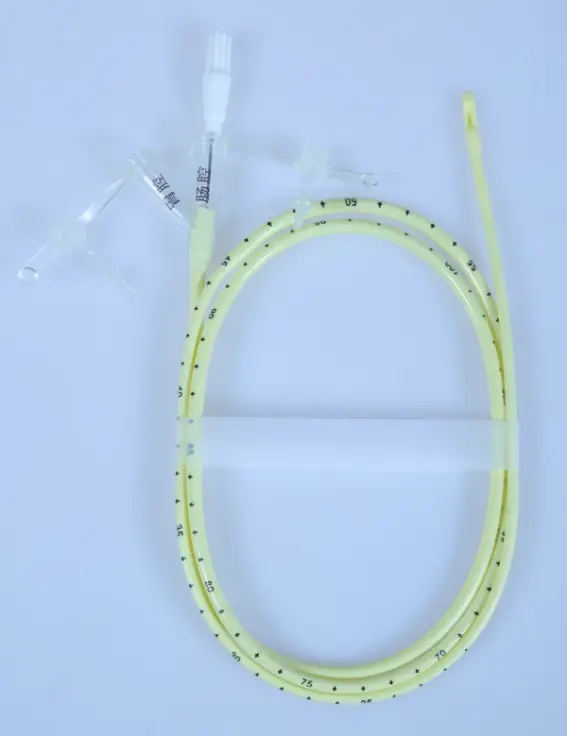
Through an ingenious design, this dual-lumen integrated gastrointestinal tube achieves simultaneous enteral nutrition and gastric decompression. Its core advantages are reflected in the following aspects:
Core Advantage: Dual-purpose in one tube, complementary functions The greatest highlight of this tube is that it cleverly combines two seemingly contradictory functions: nutritional delivery and gastric decompression.
- Simultaneous Nutrition and Decompression: It allows medical staff to administer enteral nutrition and perform gastric aspiration simultaneously. This means that while the patient receives adequate nutrition, gas and fluid in the stomach can be promptly drained, effectively relieving abdominal distension. It is particularly suitable for patients with gastrointestinal dysfunction or those requiring dual support post-surgery.
Other Key Advantages
- Hydrophilic Coating on the Inner Wall for Smoother and More Comfortable Insertion:
- The inner wall of the tube is coated with a hydrophilic layer, which significantly reduces friction during insertion. This not only makes the intubation process smoother and reduces irritation and damage to the nasal, pharyngeal, and esophageal mucosa, but also greatly enhances patient comfort.
- Smooth Splicing Process to Ensure Long-term Placement Safety:
- A special process is used to smoothly transition and connect the dual-lumen structure in the stomach with the single-lumen structure in the intestine, preventing unevenness on the inner wall of the tube. This effectively prevents nutrient solution from accumulating or clumping at the lumen junctions, thereby greatly reducing the risk of tube blockage and ensuring unhindered nutritional delivery and long-term placement safety.
In summary, through its innovative structural design, this dual-lumen integrated gastrointestinal tube provides a more functionally comprehensive, smoother-operating, and safer solution for patients requiring both enteral nutrition and gastrointestinal decompression.
V. Triple-Lumen Integrated Gastrointestinal Tube.
Typical Model: AK W-316
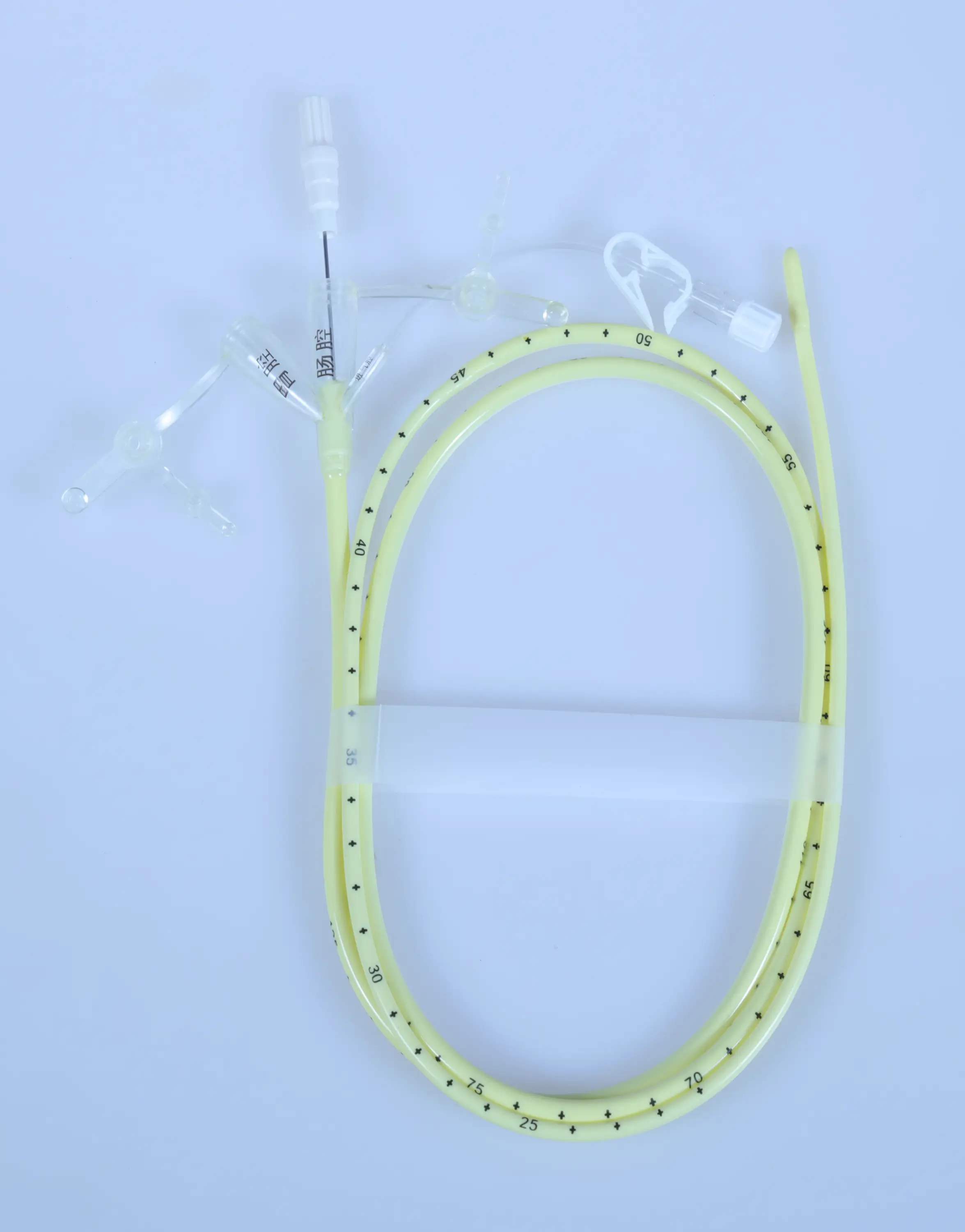
Core Advantage: One tube, triple functions
Through independent lumen designs, this triple-lumen tube integrates three major functions: gastrointestinal decompression, nutritional support, and pressure monitoring, eliminating the need to insert multiple tubes for different purposes.
- Gastrointestinal Decompression and Drainage: One independent lumen can continuously or intermittently aspirate accumulated gas, fluid, and blood from the stomach, effectively relieving abdominal distension and reducing gastric pressure. This is critical for patients recovering from surgery, suffering from intestinal obstruction, or experiencing gastrointestinal bleeding.
- Enteral Nutritional Support: Another dedicated lumen is used for infusing nutrient solutions, delivering nutrients directly to the stomach or small intestine to meet the patient’s energy and nutritional requirements.
- Pressure Balancing or Monitoring: During gastric decompression, a third lumen helps maintain a relative balance between gastric pressure and external atmospheric pressure; meanwhile, advanced models equipped with a pressure-monitoring lumen can connect to pressure sensors for real-time gastric pressure monitoring. This provides valuable physiological data for assessing gastrointestinal motility, verifying tube positioning, and guiding feeding regimens.
Other Key Advantages
- Reduced Complications and Enhanced Safety
- Lower Risk of Infection and Injury: Achieving multiple functions through a single tube avoids the risks of mucosal injury to the nasal cavity and esophagus, as well as cross-infection associated with repeated intubations.
- Precise Positioning: Some models feature X-ray radiopaque lines, making it easy to confirm tube placement via a bedside X-ray, ensuring safety.
- Reflux Prevention: Certain models are equipped with fluid-stop clips or anti-reflux valves, effectively preventing the regurgitation of gastric contents.
- Convenient Operation, Improving Nursing Efficiency
- Bedside Operation: Both placement and daily maintenance can be performed at the patient’s bedside without frequent transfers, which is especially beneficial for critically ill or immobilized patients.
- Clear Identification: Each lumen has color or text identification outside the body, allowing medical staff to identify them quickly and avoid connecting the wrong lines.
- Premium Materials for Better Patient Comfort
- Made of highly biocompatible materials like medical-grade TPU (thermoplastic polyurethane), the tube is soft, elastic, and resistant to kinking, minimizing foreign body sensation and discomfort for the patient.
The AK triple-lumen nasoenteric tube, with its ingenious structural design, offers a safe, efficient, and convenient solution for patients requiring gastrointestinal decompression and nutritional support, serving as an essential tool in modern intensive care and clinical nutrition.
VI. Summary
Simply put: The more letters there are, the more anatomical sites and functions it covers.
1. Core Difference: The routing “stations” the tube passes through differ
- NJ Tube (Nasojejunal Tube):
- Path: Nasal Cavity → Esophagus → Stomach → Pylorus → Jejunum.
- Key Focus: It is primarily designed to “bypass the stomach” and deliver nutrition directly into the small intestine.
- Lumen Structure: Typically single or dual-lumen (the dual-lumen format is usually an auxiliary stylet lumen for placement, or simply a dedicated feeding lumen).
- NGJ Tube (Nasogastrojejunal Tube):
- Path: Nasal Cavity → Esophagus → Stomach (Gastric) → Jejunum (Jejunal).
- Key Focus: Its tube body has openings (inlets/outlets) in both the stomach and the jejunum simultaneously.
- Lumen Structure: Must be multi-lumen (at least dual-lumen, usually triple-lumen).
2. Why was your previous dual-lumen tube called an NJ, but this triple-lumen one is recommended to be an NGJ? This is to accurately differentiate the technical tiers of the products in terms of SEO and for professional buyers:
- Previous Dual-Lumen Tube (NJ Tube): Most dual-lumen NJ tubes are designed with one lumen for feeding and the other for inserting a stylet to assist placement. Its function remains singular: “infusion.” Therefore, calling it a Nasojejunal Feeding Tube is highly accurate.
- Current Triple-Lumen Tube (NGJ Tube): Your current triple-lumen product achieves “gastrointestinal integration” (this is the significance of the “G”):
- G (Gastric): One of its lumens stays in the stomach, responsible for gastric decompression or venting.
- J (Jejunal): The main channel extends to the jejunum, responsible for enteral feeding.
- Third Lumen: Responsible for pressure balancing or monitoring.
Conclusion: Because your product accomplishes both gastric and intestinal operations simultaneously within a single tube, using NGJ (Nasogastrojejunal) instantly signals to professional buyers (like ICU procurement) that this is a high-value, composite tube with dual “decompression + nutrition” functions, rather than a standard NJ tube that only handles feeding.
3. How to utilize these two terms on your independent website? To maximize search volume coverage, it is recommended to structure your titles and descriptions as follows:
- Main Title (using the most professional term): Triple-Lumen Nasogastrojejunal (NGJ) Tube
- Subtitle/Description (incorporating common keywords): An advanced Nasojejunal (NJ) Feeding Tube with integrated Gastric Decompression.
Summary Table
| Abbreviation | Full Name | Number of Lumens | Core Selling Point |
|---|---|---|---|
| NJ | Nasojejunal | 1-2 Lumens | Primarily for Feeding, bypassing the stomach. |
| NGJ | Nasogastrojejunal | 3 Lumens | Integrated Gastric Decompression (G) + Jejunal Feeding (J). |
Addendum: Mechanics of Multi-Lumen Tubes
Common dual-lumen decompression tubes on the market (such as the famous Salem Sump) work like this:
- First Lumen: Suction/Drainage.
- Second Lumen: Vent/Sump. It allows air to enter the stomach, preventing the tube from adhering to the gastric mucosa during suction.
- Limitation: This type of tube usually remains in the stomach. If you want to provide enteral feeding in the intestinal tract (jejunum) simultaneously, you have to insert another tube.
2. The Upgrade Logic of the Triple-Lumen Tube (Triple-Lumen / NGJ) Your triple-lumen tube (similar to the Freka Trelumina type) is considered a “premium product” because it has an additional physical location compared to a standard dual-lumen tube:
| Feature | Dual-Lumen | Triple-Lumen (NGJ Tube) |
|---|---|---|
| Gastric Function (G) | Decompression + Venting (Prevents adherence) | Decompression (Via an independent lumen) |
| Intestinal Function (J) | None (Or decompression must be stopped to feed) | Continuous Feeding (Independent channel routed directly to the jejunum) |
| Key Advantage | Can only perform tasks in one location | One tube, two locations, three tasks |