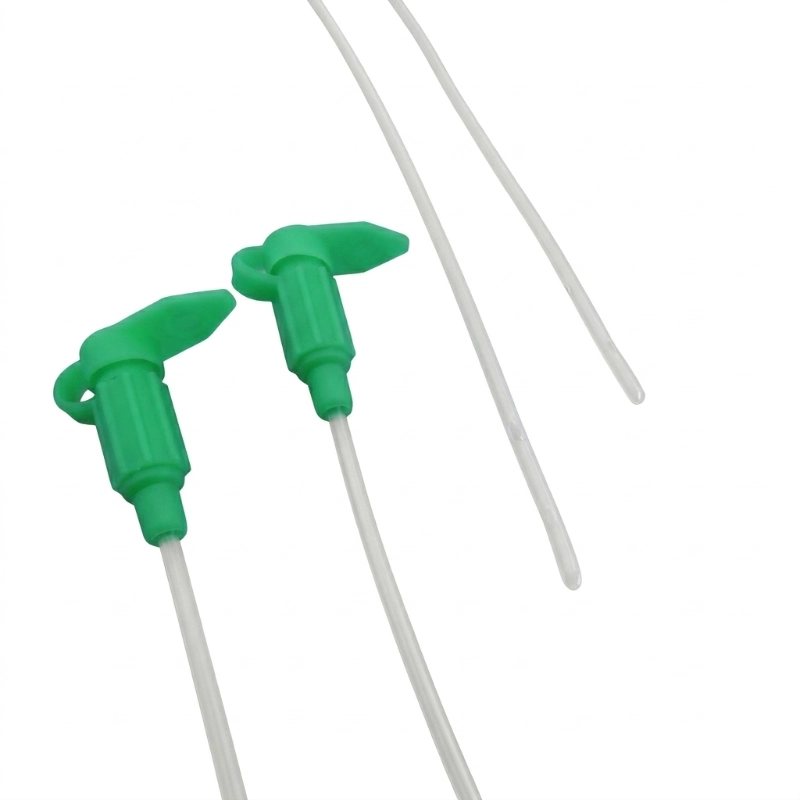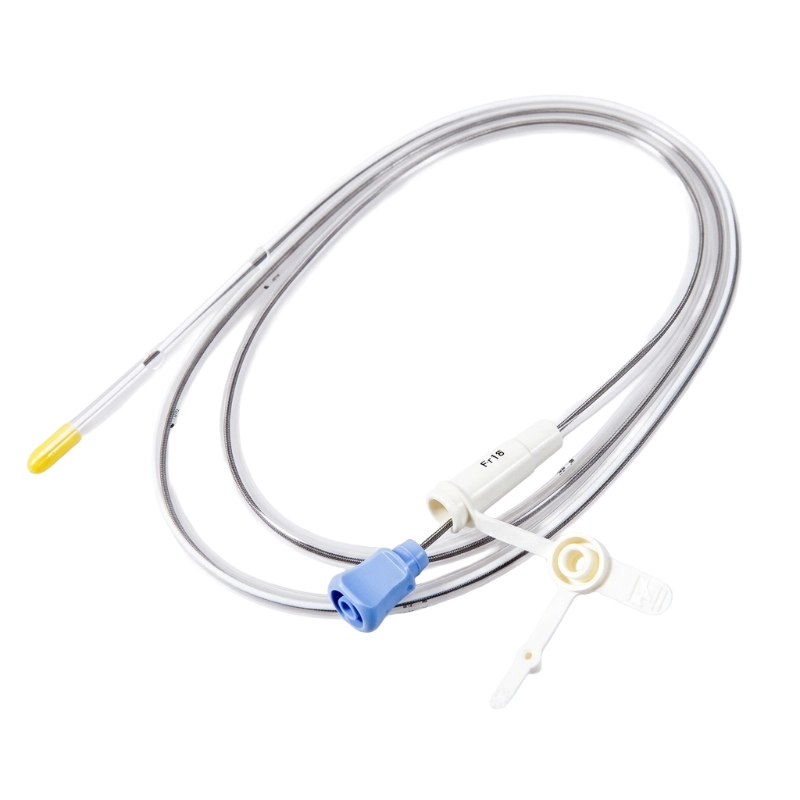


How Does a DEHP-Free Pediatric Feeding Tube Improve Infant Nutrition Safety?
Release time: 2026-07-24
Table of Contents
Infants and children who require enteral nutrition have unique medical needs that are different from adult patients. Their smaller anatomical structures, developing organs, and higher sensitivity to external substances require feeding solutions designed with greater attention to safety, comfort, and material performance.
In neonatal intensive care units (NICUs) and pediatric care environments, feeding tubes are not only tools for nutrient delivery but also critical components of long-term patient management. Selecting a suitable tube can directly influence feeding efficiency, patient comfort, and overall care quality.
A DEHP-Free Pediatric Feeding Tube provides a safer approach for infant enteral nutrition by combining specialized sizing, flexible material design, and reduced exposure to potentially harmful plasticizers.
What Is a DEHP-Free Pediatric Feeding Tube?
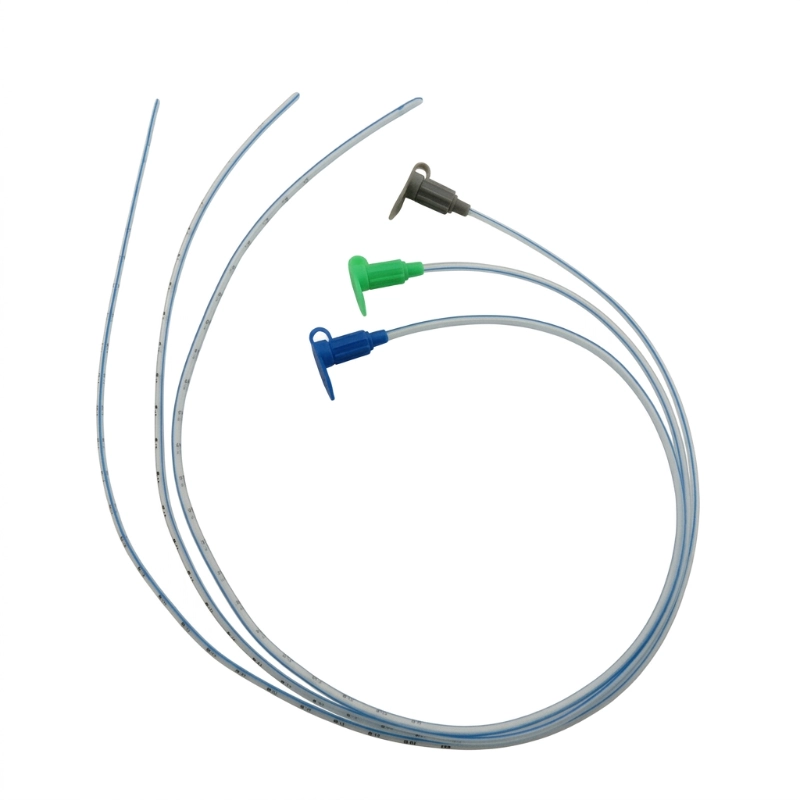
A Pediatric Feeding Tube is a medical device specifically designed to provide enteral nutrition for infants and children who cannot obtain sufficient nutrients through normal oral feeding.
Compared with adult feeding tubes, pediatric versions require more precise engineering because infants and young children have:
- Smaller nasal passages and digestive structures
- Higher sensitivity to mechanical irritation
- Longer periods of nutritional support in certain conditions
- Greater requirements for material safety
The term “DEHP-Free” refers to the absence of di(2-ethylhexyl) phthalate (DEHP), a commonly used plasticizer that has traditionally been added to PVC medical devices to improve flexibility.
For pediatric applications, reducing unnecessary exposure to chemical additives has become an important consideration for hospitals and healthcare providers. This has increased demand for DEHP-Free PVC Feeding Tube solutions that prioritize patient safety while maintaining the flexibility and usability required in clinical environments.
Why Is Material Safety Important in Infant Enteral Nutrition?
Infants, especially premature babies and critically ill newborns, often require nutritional support for extended periods. During this time, feeding tubes may remain in contact with the body for days or weeks, making material selection an essential factor.
Several challenges make pediatric feeding different from adult care:
1. Developing Organ Systems
Newborns and infants have immature metabolic systems compared with adults. Healthcare providers often pay closer attention to the materials used in devices that have prolonged contact with pediatric patients.
2. Long-Term Feeding Requirements
Some infants with congenital conditions, neurological disorders, or gastrointestinal problems may require continuous or repeated enteral feeding support.
A safe and reliable tube design helps reduce unnecessary complications during long-term nutritional management.
3. Patient Comfort and Tissue Protection
Because infants have delicate mucosal tissues, feeding tubes must balance:
- Flexibility
- Softness
- Structural stability
- Smooth insertion performance
A properly designed Pediatric Enteral Feeding Tube helps healthcare professionals provide nutritional support while minimizing discomfort.
How Does DEHP-Free PVC Improve Pediatric Feeding Safety?
Traditional PVC medical devices often use plasticizers to improve flexibility. However, concerns regarding DEHP exposure have encouraged the development of alternative material solutions, particularly for vulnerable populations such as neonates and children.
A DEHP-Free PVC Feeding Tube is designed without DEHP-based plasticizers, providing several potential advantages:
Reduced Chemical Exposure Concerns
For NICU and pediatric applications, minimizing exposure to unnecessary substances is an important part of patient-centered care.
Maintained Flexibility and Performance
Modern DEHP-free materials can provide the flexibility required for infant feeding applications while maintaining the mechanical properties needed during clinical use.
Better Alignment With Global Healthcare Trends
Hospitals and medical procurement teams worldwide increasingly consider:
- Material safety
- Biocompatibility
- Patient risk reduction
- Regulatory compliance
when selecting disposable medical devices.
This shift has accelerated the adoption of safer material technologies in pediatric healthcare.
Pediatric Feeding Tube vs Traditional Feeding Tube: What Are the Differences?
Although feeding tubes serve the same basic purpose of delivering nutrition, pediatric designs require additional considerations compared with standard adult products.
| Feature | Standard Adult Feeding Tube | Pediatric Feeding Tube |
|---|---|---|
| Patient group | Adults | Infants and children |
| Tube diameter | Larger size options | Smaller diameter design |
| Material focus | General medical requirements | Higher emphasis on safety and comfort |
| Primary application | General enteral nutrition | NICU and pediatric nutrition support |
| Design priority | Functionality | Safety, flexibility, and patient tolerance |
A pediatric feeding solution is not simply a smaller version of an adult device. It requires specialized engineering based on the anatomical and clinical requirements of younger patients.
Where Are Pediatric Feeding Tubes Commonly Used?
A Pediatric Feeding Tube can support various clinical situations where infants or children cannot meet nutritional requirements through normal feeding.
Neonatal Intensive Care Units (NICU)
Premature infants often have underdeveloped sucking and swallowing abilities, making enteral feeding necessary during early development.
A reliable Neonatal Feeding Tube supports controlled delivery of breast milk, formula, or specialized nutritional solutions.
Pediatric Intensive Care Units (PICU)
Children recovering from severe illness, surgery, or trauma may require temporary or extended nutritional support.
Feeding tubes help maintain adequate calorie intake during recovery.
Children With Swallowing Difficulties
Patients with neurological disorders or congenital conditions may experience difficulty swallowing safely.
Enteral feeding provides an effective alternative route for delivering essential nutrients.
Postoperative Pediatric Care
After certain gastrointestinal procedures, maintaining nutritional intake while allowing the digestive system to recover is often a key part of treatment.
What Should Hospitals Consider When Choosing Pediatric Feeding Tubes?
For healthcare institutions and distributors, selecting the right pediatric feeding product involves more than comparing price. Important factors include:
Material Quality
Hospitals should evaluate whether the tube uses medical-grade materials suitable for pediatric applications, including considerations such as DEHP-free construction and biocompatibility.
Size Availability
Children of different ages and weights require different tube sizes. A reliable supplier should provide multiple specifications to meet diverse clinical requirements.
Patient Comfort
Features such as smooth surfaces, appropriate flexibility, and optimized tube design can improve patient tolerance during use.
Manufacturing Reliability
For medical distributors and OEM partners, consistent quality control, sterilization capability, and production stability are essential when selecting a long-term supplier.
Why Choose AOKOO Medical for Pediatric Enteral Nutrition Solutions?
AOKOO Medical focuses on developing and manufacturing professional medical disposable products designed for global healthcare applications.
With experience in gastrointestinal and enteral nutrition solutions, AOKOO Medical provides reliable feeding tube products that address the practical challenges faced by hospitals, medical distributors, and healthcare professionals.
The company emphasizes product quality, manufacturing consistency, and customized medical solutions to support different clinical requirements. Through advanced material selection and professional production processes, AOKOO Medical helps healthcare providers deliver safer and more effective nutritional support for infants and children.
For organizations seeking a dependable Pediatric Feeding Tube supplier, AOKOO Medical offers professional solutions designed around patient safety, clinical performance, and long-term healthcare needs.
Frequently Asked Questions (FAQ)
What is a DEHP-Free Pediatric Feeding Tube?
A DEHP-Free Pediatric Feeding Tube is an enteral nutrition device designed for infants and children that does not use DEHP as a plasticizer. It is developed to reduce concerns related to chemical exposure while maintaining flexibility and clinical performance.
Why are DEHP-free feeding tubes important for infants?
Infants and premature babies may require long-term nutritional support, making material safety an important consideration. DEHP-free designs help healthcare providers choose products focused on reducing unnecessary exposure risks.
What is the difference between a pediatric feeding tube and an adult feeding tube?
Pediatric feeding tubes are specifically designed for infants and children with smaller anatomical structures. They typically feature smaller diameters, enhanced flexibility, and greater emphasis on comfort and material safety.
Where are pediatric feeding tubes used?
They are commonly used in NICUs, PICUs, postoperative pediatric care, and for children who cannot safely obtain sufficient nutrition through oral feeding.
How do hospitals choose the right pediatric feeding tube supplier?
Hospitals typically evaluate product quality, material safety, manufacturing capability, sterilization standards, customization options, and supplier experience when selecting a pediatric feeding tube manufacturer.