

NG vs NJ Feeding Tube: Which Is Better for Enteral Nutrition?
Release time: 2026-09-16
Table of Contents
Nasogastric (NG) and nasojejunal (NJ) feeding tubes are both used to provide enteral nutrition, but they deliver nutrition to different locations in the gastrointestinal tract. Choosing between them is therefore not simply a matter of tube size or convenience.
An NG tube terminates in the stomach, while an NJ tube extends beyond the pylorus into the jejunum. This difference changes the clinical purpose of the tube and can influence feeding strategy, gastric tolerance, and the need for gastric decompression.
Understanding the difference between NG vs NJ Feeding Tube systems can help hospitals and medical procurement teams select the appropriate configuration for specific clinical applications.
What Is an NG Feeding Tube?
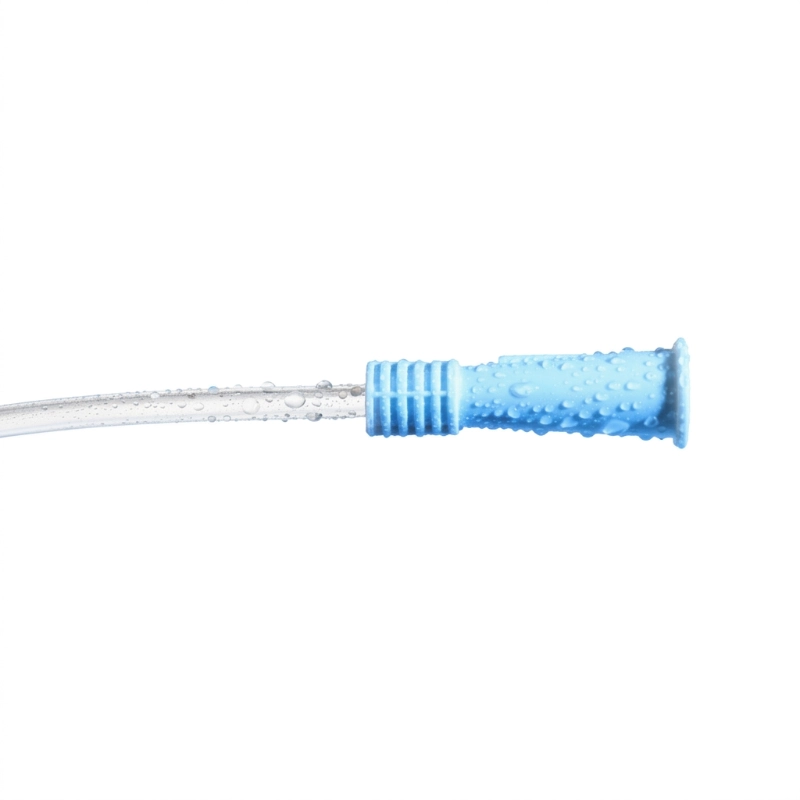
A Nasogastric Feeding Tube is inserted through the nose and advanced into the stomach.
Because the distal tip terminates in the stomach, NG feeding can provide nutrition directly to the gastric cavity.
Common applications include:
- Enteral nutrition
- Medication administration
- Gastric decompression
- Postoperative nutritional support
- Patients with swallowing difficulties
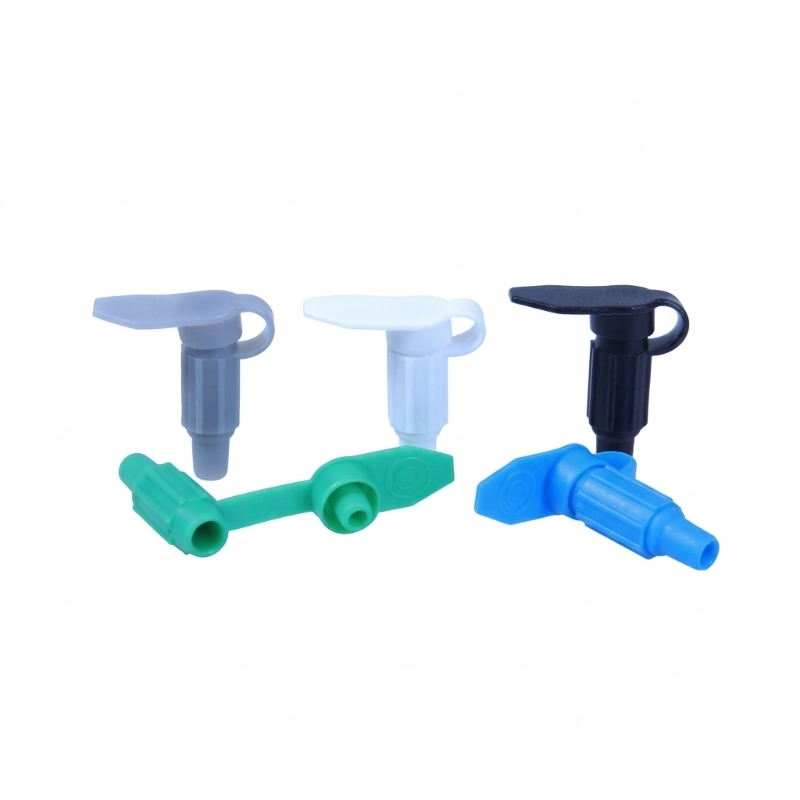
AOKOO’s TPU nasogastric feeding tubes are designed for patients who cannot obtain adequate nutrition through normal swallowing and can be configured with guidewires, radiopaque lines, hydrophilic coating, and different connectors.
What Is an NJ Feeding Tube?
A Nasojejunal Feeding Tube is inserted through the nose and advanced beyond the stomach into the jejunum.
The key difference is therefore the final feeding location.
| Feature | NG Feeding Tube | NJ Feeding Tube |
|---|---|---|
| Full name | Nasogastric | Nasojejunal |
| Distal location | Stomach | Jejunum |
| Feeding route | Gastric | Post-pyloric |
| Gastric function | Feeding and/or decompression | Bypasses the stomach for feeding |
| Typical complexity | Lower | Higher |
| Common application | General enteral nutrition | Selected patients requiring post-pyloric feeding |
AOKOO’s product range includes nasogastric, nasointestinal, dual-lumen, and triple-lumen configurations for different enteral nutrition and gastric management requirements.
Why Choose NG Feeding Instead of NJ Feeding?
NG feeding is often appropriate when the stomach can tolerate enteral nutrition and gastric feeding is clinically acceptable.
Its advantages include:
Simpler Access
Gastric placement generally involves a shorter route than jejunal placement.
Broad Clinical Application
NG feeding can be used for routine enteral nutrition, medication delivery, and gastric decompression.
Easier Tube Management
Compared with post-pyloric systems, gastric feeding may involve simpler placement and routine management depending on the patient and clinical protocol.
However, gastric feeding is not ideal for every patient.
When Is NJ Feeding Considered?
NJ feeding may be considered when gastric feeding is poorly tolerated or when post-pyloric nutrition is clinically preferred.
Potential situations include:
- Gastric intolerance
- Delayed gastric emptying
- Selected high-risk aspiration situations
- Patients requiring post-pyloric nutrition
- Certain critical-care applications
- Selected postoperative gastrointestinal conditions
The exact indication depends on the patient’s condition and medical assessment.
AOKOO describes its dual-lumen nasogastric/nasointestinal feeding tube as suitable for patients requiring post-pyloric feeding combined with gastric decompression, including critically ill patients and patients with gastric retention or obstruction.
NG vs NJ Feeding: Which Has a Lower Aspiration Risk?
This question requires careful interpretation.
Because NJ feeding delivers nutrition beyond the stomach, post-pyloric feeding can be useful in selected patients where gastric feeding is associated with intolerance or elevated aspiration concerns.
However, NJ feeding does not eliminate aspiration risk.
Patient condition, reflux, gastrointestinal motility, tube position, feeding technique, and clinical monitoring all remain important.
Therefore, the better question is not simply “Is NJ safer?” but rather:
Which feeding route is more appropriate for this patient’s gastrointestinal function and clinical risk profile?
Standard NJ Tube vs Dual-Lumen NJ Tube
Not all NJ tubes perform the same function.
A standard NJ tube primarily provides post-pyloric feeding.
A dual-lumen NJ tube can combine feeding with gastric decompression.
| Feature | Standard NJ Tube | Dual-Lumen NJ Tube |
|---|---|---|
| Post-pyloric feeding | Yes | Yes |
| Gastric decompression | No | Yes |
| Gastric drainage | Limited | Dedicated lumen |
| ICU application | Possible | Particularly useful in selected complex cases |
| Tube structure | Single lumen | Dual lumen |
AOKOO’s dual-lumen nasogastric/nasointestinal feeding tube is designed to simultaneously provide enteral nutrition and gastric decompression. The product uses a feeding lumen and a decompression lumen and can include ENFit-compatible connectors and optional guidewire configurations.
How Does a Triple-Lumen Tube Differ?
For more complex gastrointestinal management, a triple-lumen nasogastric/nasointestinal feeding tube can provide an additional functional lumen.
AOKOO’s triple-lumen design combines post-pyloric feeding and gastric decompression with a third lumen intended for pressure equalization or optional pressure monitoring depending on the configuration.
This can be relevant in specialized critical-care applications where feeding, drainage, and gastrointestinal pressure management need to be considered together.
What Tube Features Matter for NG and NJ Feeding?
The feeding route is only one part of tube selection.
Tube Material
Medical-grade TPU can provide flexibility, kink resistance, and long-term tolerance.
Hydrophilic Coating
A hydrophilic surface can reduce insertion friction after hydration, supporting smoother tube placement.
Radiopacity
Radiopaque lines or full-length radiopaque structures allow the tube to be visualized under X-ray when imaging-based position verification is required.
Guidewire
Guidewire-assisted designs can provide additional insertion control, particularly for tubes intended for more complex placement routes.
Tube Length
NJ tubes generally require greater length than standard gastric feeding tubes because the distal tip must travel beyond the pylorus.
How Should Hospitals Choose Between NG and NJ?
A practical selection framework includes:
| Clinical Question | NG Feeding | NJ Feeding |
|---|---|---|
| Is gastric feeding tolerated? | Often suitable | May not be necessary |
| Is post-pyloric feeding required? | No | Yes |
| Is gastric decompression needed? | Possible with appropriate tube | Dual-lumen configuration may be preferred |
| Is the patient critically ill? | Depends on condition | Consider when post-pyloric feeding is indicated |
| Is placement complexity a concern? | Generally lower | Higher |
| Is long-term feeding required? | Possible | Possible depending on product |
The final decision should be made by qualified healthcare professionals according to patient condition, clinical guidelines, and the validated indications for the selected product.
Why Choose AOKOO Medical for NG and NJ Feeding Solutions?
AOKOO Medical provides a broad range of gastrointestinal and enteral nutrition products, including TPU nasogastric feeding tubes, nasointestinal tubes, dual-lumen systems, and triple-lumen feeding and decompression tubes.
This product range allows hospitals and distributors to select different configurations based on whether the primary requirement is gastric feeding, post-pyloric nutrition, gastric decompression, or a combination of functions.
For organizations evaluating NG vs NJ Feeding Tube solutions, AOKOO can provide configurable products built around medical-grade materials, radiopaque positioning features, guidewire options, and enteral connector compatibility.
Frequently Asked Questions
What is the main difference between NG and NJ feeding tubes?
An NG tube delivers nutrition into the stomach, while an NJ tube extends beyond the pylorus and delivers nutrition into the jejunum.
Is an NJ tube better than an NG tube?
Not universally. NG and NJ tubes are designed for different clinical situations. NJ feeding may be considered when post-pyloric nutrition is clinically preferred, while NG feeding is suitable for many routine enteral nutrition applications.
Why use an NJ tube instead of an NG tube?
An NJ tube may be selected when gastric feeding is poorly tolerated or when post-pyloric feeding is clinically indicated.
Can an NJ tube also provide gastric decompression?
A standard NJ tube generally focuses on post-pyloric feeding. A dual-lumen nasogastric/nasointestinal tube can combine jejunal feeding with gastric decompression.
Does AOKOO manufacture both NG and NJ feeding tubes?
Yes. AOKOO’s portfolio includes TPU nasogastric feeding tubes as well as nasointestinal, dual-lumen, and triple-lumen feeding tube configurations.